(specifically Baisaran Valley)
The summer holidays had just begun, and a middle class family, after months of saving and planning, finally set off on a dream trip to Kashmir. Excitement filled the air — from last-minute shopping to imagining the breathtaking beauty of Baisaran Valley, lovingly called the “Mini Switzerland of India.”
But on 22nd April 2025, joy turned into horror. While families laughed, ate Maggi, and took photos, men disguised in army uniforms appeared, armed with rifles. They demanded to know who was Hindu, who was Muslim — forcing separations, checking identities, and then opening fire. Innocent lives were lost. Husbands, sons… gone in moments. Only men were targeted. Women were left shattered so that they can narrate the entire horrifying story to their PM, “Go tell Modi.”
Why They chose Baiseren Valley??
Firstly, It’s remote area about 5 km from Pahalgam town. It’s reachable only by trekking or pony rides, with no motorable roads, making it hard for rapid police or military intervention.

This lack of quick access and security presence made it an ideal soft target for terrorists to carry out a high-impact attack without facing immediate resistance.
Secondly, High Civilian Footfall
The valley is popular with Hindu tourists and pilgrims, especially during the summer season and Amaranth Yatra preparation periods.
By targeting such a spot, the attackers knew they could maximize civilian casualties, gain media attention, and send a chilling message to discourage tourism and integration.
Thirdly, Symbolic Impact
Pahalgam is the sacred gateway to the soulful journey of the Amarnath Yatra, echoing faith and devotion. Attacking near such a spiritually significant place has symbolic implications aimed at heightening communal tensions and creating fear among Hindu communities.
Fourthly, Psychological Warfare
The attackers conducted the assault in a methodical, brutal way: they asked victims to state their religion, demanded they recite Islamic verses, Checked their private parts, and killed those identified as Hindus.
This kind of targeting isn’t just about physical destruction—it’s a form of psychological terrorism, aimed at deepening divisions between communities and deterring Non-Muslims from visiting or settling in Kashmir.
Fifthly, Demographic Fear by Militants
Since the revocation of Article 370 in 2019, which gave Jammu and Kashmir special status, Non-Kashmiris have been allowed to buy property and settle in the region.
Militants and separatist groups view this as a threat to the Muslim-majority identity of Kashmir. Attacking non-local Hindus is their way of resisting these changes.
Earlier also Terrorist had targeted Indians for Terrorism-
So, here is the list of Terrorist Attacks in India-
Pathankot Airbase Attack – January 2, 2016
7 security personnel and all 6 terrorists were killed.
Uri Army Base Attack – September 18, 2016
9 Indian soldiers martyred, all four terrorists neutralized.
Amarnath Yatra Attack – July 10, 2017
8 pilgrims killed, more than a dozen injured
Sunjuwan Army Camp Attack – February 10, 2018
6 soldiers martyred and 1 civilian killed, many injured.
Pulwama Attack -Suicide Bombing – February 14, 2019
40 CRPF jawans martyred.
Poonch Terror Attack – April 20, 2023
5 soldiers killed.
The valley, known for its serenity and scenic beauty, was turned into a site of horror. Innocent families were targeted simply for who they were. Identities were questioned, faith was weaponised, and humanity was forgotten.
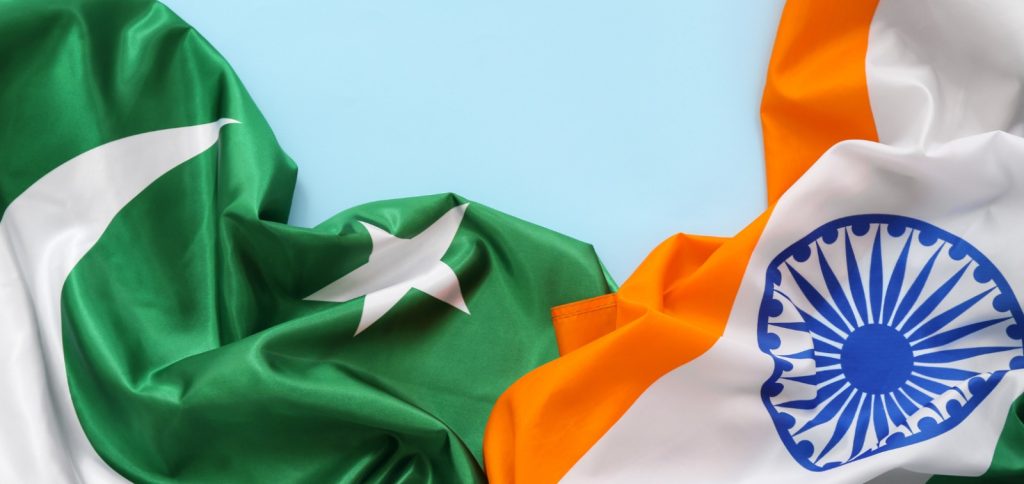
But amidst this darkness, we must not lose sight of what matters. We must continue to raise our voices, demand justice, and strive for a future where such hatred has no place. We have to uproot terrorism from its root.
But the question remains :-
Does terrorism has a Religion?
Why Hindus were targeted?
When Terrorism will stop?
What will happen to the locals of Kashmir who depended on tourism for their livelihood?
When J&K will regain its peace?
Was this a strategy to create unrest in India?
“Every time, the dates change, the places change, but terror and casualties remains same.”